
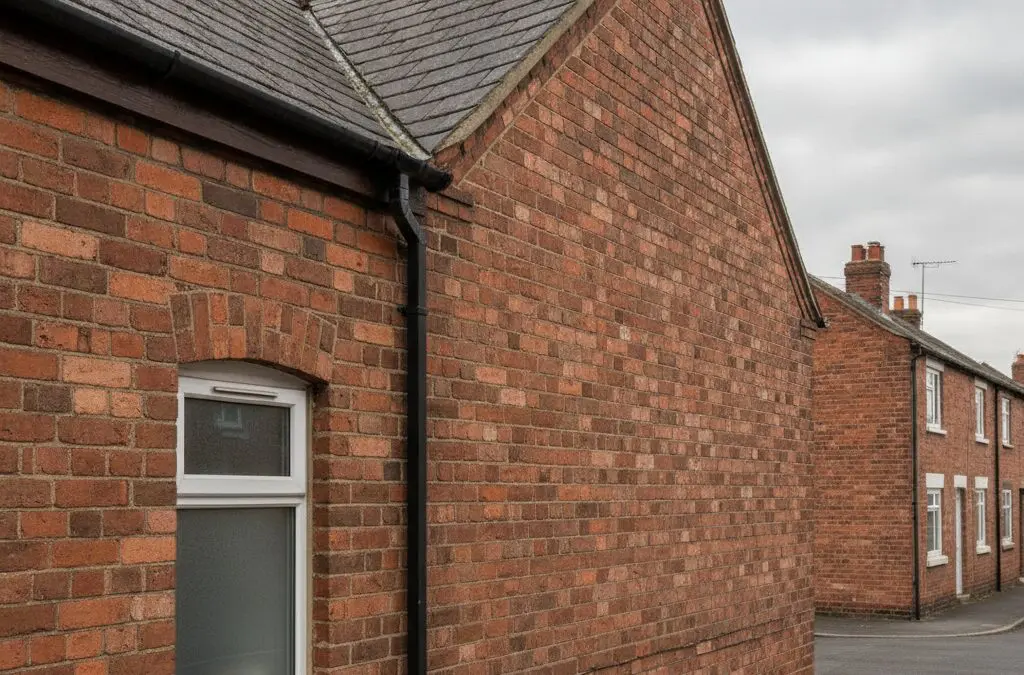
Wet Verge vs Dry Verge: Which Roof Edge System Does Your Sheffield Home Need?
If your roofer has mentioned replacing your verge system and offered you a choice between wet and dry verge, you may be wondering what the difference actually is. Both perform the same job — sealing and protecting the exposed edge of your roof at the gable end — but they work in completely different ways, each with distinct advantages and drawbacks for Sheffield homeowners.
This guide explains both systems plainly so you can make an informed decision before any work begins.
What Is a Roof Verge?
The verge is the sloping edge of a roof where it meets the gable wall at the side of the house. Unlike eaves (the horizontal lower edge), the verge runs diagonally up to the ridge. It is a vulnerable area because the tiles here have no tile beneath them for support on one side — they overhang the gable wall, usually by 30–50mm.

Without a properly sealed verge, wind-driven rain can track under the edge tiles, leading to water ingress, damp patches on gable walls, and eventual decay of the roof structure beneath. A failing verge is one of the most common causes of internal damp we diagnose on older Sheffield terraces and semis.
What Is a Wet Verge (Mortar Verge)?
A wet verge — also called a mortar verge or bedded verge — is the traditional approach. The tiles at the gable edge are bedded onto a mortar haunch that is worked up and under the tiles from the top of the gable wall. The mortar fills the gap between the tile underside and the wall, sealing out water and holding the edge tiles in place.
Advantages of Wet Verge
- Lower upfront cost — mortar is cheap and the skill to apply it is universal among roofers
- Compatible with all tile types — wet verge works on clay, concrete, and slate roofs
- Traditional appearance — suits period and listed buildings where modern plastic clips may look out of place
Disadvantages of Wet Verge
- Mortar cracks over time — thermal expansion and contraction gradually shrinks and cracks mortar; most wet verges need attention every 10–15 years
- Once mortar fails, water entry is rapid — cracked or missing mortar leaves the gable edge exposed and tiles can slip
- Requires periodic repointing — an ongoing maintenance cost that dry verge eliminates
What Is a Dry Verge?
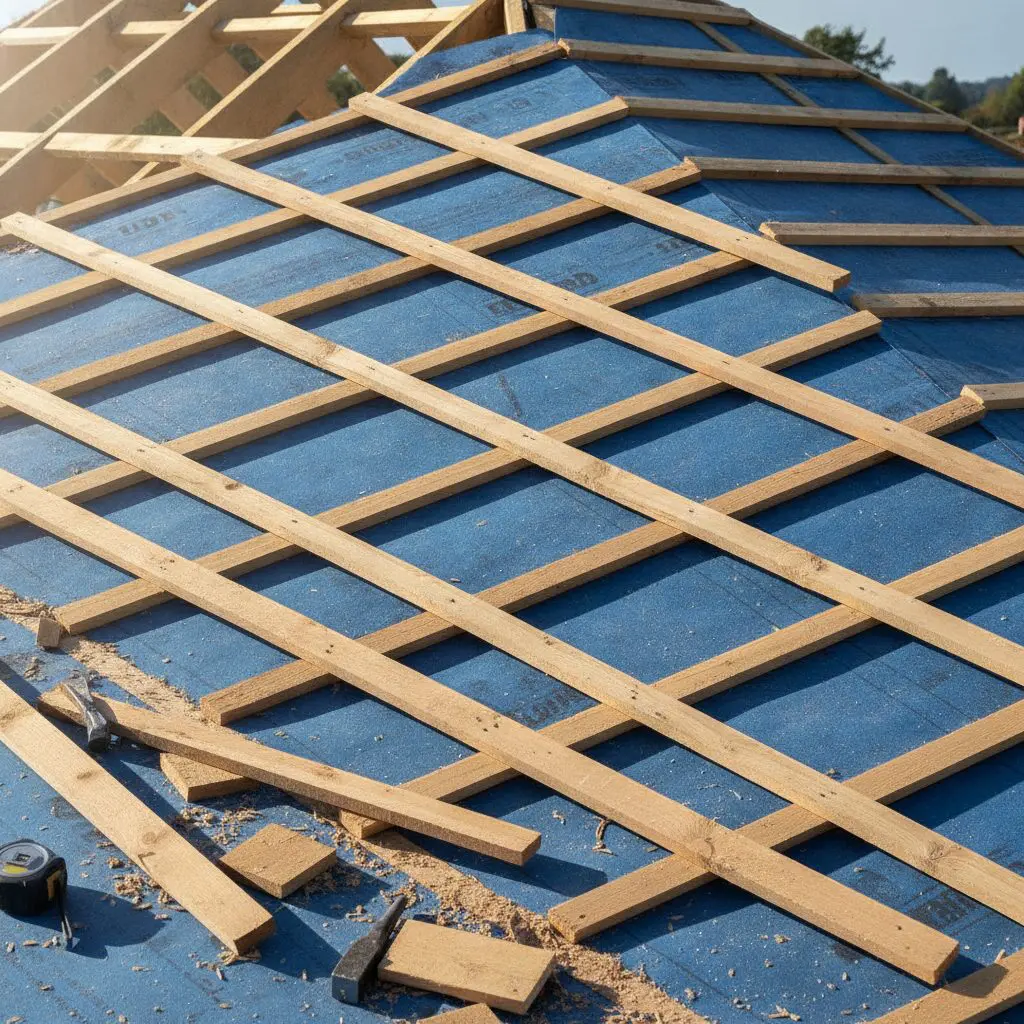
A dry verge system uses factory-made interlocking units — usually UV-stabilised uPVC or aluminium — that clip onto the edge of the roof tiles and the fascia or barge board without any mortar. The units overlap and interlock, creating a weathertight barrier that moves slightly with thermal expansion rather than cracking.
Advantages of Dry Verge
- Maintenance-free — no mortar to crack, repoint, or replace
- Longer service life — quality dry verge systems carry 25–40 year warranties
- Better wind resistance — mechanical fixings and interlocking units resist high winds more reliably than mortar beds
- Faster installation — no curing time means the roof is weathertight immediately
Disadvantages of Dry Verge
- Higher upfront cost — units cost more than mortar materials, though the labour is similar or faster
- Visible on some properties — the plastic trim is visible at the roof edge; on some houses this is a consideration, particularly on period properties
- Tile-specific — dry verge units are designed for specific tile profiles; a non-matching unit will not seal correctly
Wet Verge vs Dry Verge: Side-by-Side Comparison
| Factor | Wet Verge | Dry Verge |
|---|---|---|
| Materials | Sand-cement mortar | uPVC or aluminium clips |
| Upfront cost | Lower | Higher |
| Lifespan | 10–15 years before repointing | 25–40 years (maintenance-free) |
| Wind resistance | Good when new; degrades with mortar | Excellent (mechanical fixing) |
| Maintenance | Periodic repointing required | None |
| Appearance | Traditional; suits period properties | Clean modern finish; visible trim |
| Listed / conservation | Accepted everywhere | Check planning rules first |
Which Verge System Should You Choose?
For most Sheffield and South Yorkshire homes, dry verge is the better long-term choice. The initial cost difference is modest and is recovered quickly once you factor in the cost of mortar repointing every 10–15 years. If you are already having the roof retiled or the ridge replaced, adding dry verge at the same time costs very little in extra labour.
Wet verge is still the right call in specific situations: period properties where appearance matters, listed buildings, and conservation areas where modern plastic systems are not permitted. In these cases, a good-quality mortar mix applied properly will give 15+ years of reliable service.
Your property is post-war or modern, you want a maintenance-free finish, or you are having significant roof work done and want to avoid future call-outs.
Your property is listed, in a conservation area, or period features matter. Also a good choice if cost is the priority and you are happy with periodic maintenance.
Verge Repair and Replacement Cost in Sheffield
The cost to repair or replace verges depends on the length of the gable edges, the tile type, and access requirements. As a guide for Sheffield and South Yorkshire in 2026:
| Work | Typical Cost |
|---|---|
| Wet verge repointing (one gable) | £200–£400 |
| Wet verge repointing (both gables) | £350–£650 |
| Dry verge installation (one gable) | £350–£600 |
| Dry verge installation (both gables) | £600–£1,000 |
| Full verge replacement (wet to dry) | £500–£900 |
These figures include scaffold or tower access. Prices vary with roof pitch, tile type, and specific access challenges on your property. We always provide a written quote before starting work.
If you are having other roof work done at the same time — ridge replacement, re-roofing, or chimney repairs — we can often include verge replacement at a reduced rate since access equipment is already in place.
For a no-obligation inspection and quote, contact AJR Roofing. We cover all of Sheffield and South Yorkshire including Rotherham, Doncaster, Barnsley, and Chesterfield.
Get a free quote
Frequently Asked Questions
Can I replace wet verge with dry verge myself?
Dry verge units are sold as DIY-friendly, but working at height on a roof carries serious fall risks. Most homeowners are better served by a professional roofer who can also inspect the tile condition and underlying felt at the same time. The saving on labour rarely justifies the risk.
How long does dry verge installation take?
For a typical semi-detached in Sheffield with two gable ends, dry verge installation takes 4–8 hours including access setup. Full removal of old wet verge adds some time depending on how well the mortar has bonded.
Will dry verge match the colour of my roof tiles?
Dry verge units are available in several colours including white, grey, and terracotta. We can match to your tile colour in most cases — ask us when you book.
My wet verge is cracking but not leaking yet. Should I act now?
Yes. Cracked mortar allows water to track underneath before you see internal signs of damp. Acting before the mortar fully fails is cheaper than dealing with water damage to roof timbers and internal plasterwork.