
Roof Insulation in Sheffield: Cold Loft vs Warm Loft — What You Need to Know
Insulating your roof properly is one of the most cost-effective things you can do for a Sheffield home. A poorly insulated roof allows significant heat to escape — and with Sheffield’s colder winters, that means higher energy bills and a less comfortable house.
But roof insulation isn’t a one-size-fits-all solution. The right approach depends on how you use your loft space, the type of roof you have, and whether you’re prioritising upfront cost or long-term performance.
This guide explains the two main approaches — cold loft and warm loft insulation — and helps you decide which is right for your Sheffield property.
What Is a Cold Loft?
A cold loft is the traditional approach to roof insulation. Insulation is laid at floor level — between and over the joists at the base of the loft space — leaving the roof structure itself uninsulated.
The loft space stays cold (hence the name). The insulation creates a thermal barrier at ceiling level, preventing heat from escaping from the rooms below into the loft and out through the roof.
How cold loft insulation works
The most common method uses mineral wool (glass wool or rock wool), laid between the joists first, then a second layer across the top of the joists at 90 degrees. This cross-hatching eliminates thermal bridging at the timber joists, which would otherwise allow heat to escape through the timber itself.
UK building regulations recommend a minimum of 270mm of mineral wool for a cold loft — typically 100mm between the joists and 170mm across the top.
Advantages of a cold loft
- Lower cost: Insulating at floor level uses less material and is simpler to install than roof-level insulation.
- Effective for most homes: If your loft is unused, a cold loft is a very efficient use of insulation material and budget.
- Widely available: Standard mineral wool products are easy to source and any competent installer can carry out the work.
- No changes to the roof structure: Insulation goes in at floor level only — the roof itself is unaffected.
Disadvantages of a cold loft
- The loft space itself will be cold — not suitable for habitable use or temperature-sensitive storage
- Water tanks and pipes in the loft will need separate lagging to prevent freezing
- Loft hatch should be insulated and draught-proofed to maintain the thermal barrier
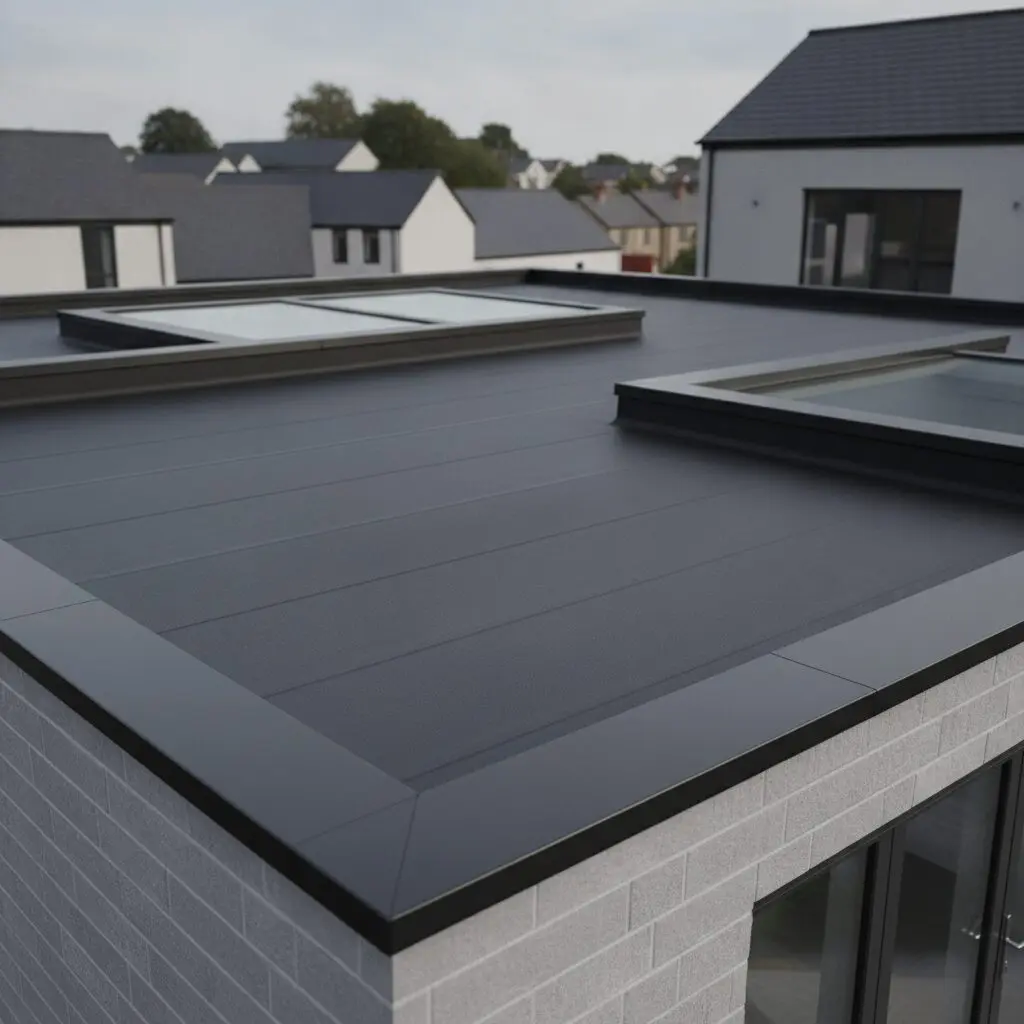
What Is a Warm Loft?
A warm loft insulates at roof level — between and over the rafters — rather than at floor level. This brings the entire loft space inside the thermal envelope of the house, keeping it warm, usable, and less prone to condensation problems.
How warm loft insulation works
Insulation is installed between and below the rafters, using rigid insulation boards, mineral wool between counter battens, or a combination of both. Critically, a ventilation gap must be maintained between the underside of the roof covering and the top of the insulation — this prevents moisture build-up in the roof structure.
Advantages of a warm loft
- Loft space stays usable and warm: Ideal if you use your loft as habitable space, a home office, or plan a future conversion.
- No separate pipe lagging needed: Pipes and tanks in a warm loft don’t need additional protection against freezing.
- Reduces condensation risk: Keeping the loft warm eliminates the sharp temperature differential that causes condensation in cold loft spaces.
- Higher performance potential: When done correctly, warm loft insulation can achieve excellent overall thermal performance.
Disadvantages of a warm loft
- Higher cost: More insulation material and a more complex installation means a higher upfront investment.
- Requires experienced installation: Getting the ventilation gap right is critical — errors can cause moisture problems and timber decay in the roof structure.
- May require minor roof work: Accessing the rafter space correctly can sometimes involve work to the roof covering or decking.
Cold Loft vs Warm Loft: Key Differences
| Feature | Cold Loft | Warm Loft |
|---|---|---|
| Insulation location | Floor level (loft joists) | Roof level (rafters) |
| Loft space temperature | Cold — outside thermal envelope | Warm — inside thermal envelope |
| Typical cost | Lower | Higher |
| Best if loft is… | Unused or basic storage | Habitable, used, or future conversion |
| Pipe and tank lagging needed? | Yes | No |
| Ventilation required? | Yes (above floor insulation) | Yes (between insulation and roof) |
Which Option Is Right for Your Sheffield Home?
The right choice depends on how your loft is used — and what you’re planning for it in future.
Your loft is unused or used for basic storage only. Cold loft insulation is cost-effective, well-proven, and perfectly adequate for keeping heat in the rooms below.
You use your loft as living space, you’re planning a loft conversion, or you have pipes and water tanks in the loft that you’d rather not lag separately.
For most Sheffield homes with an unused loft, a properly installed cold loft system is the most practical and cost-efficient choice. For homes with habitable loft space or a conversion in mind, a warm loft solution makes more sense.
If you’re unsure, AJR Roofing can assess your property and recommend the right approach. We can also check the condition of your roof at the same time — which brings us to an important point.
Why Roof Condition Matters Before You Insulate
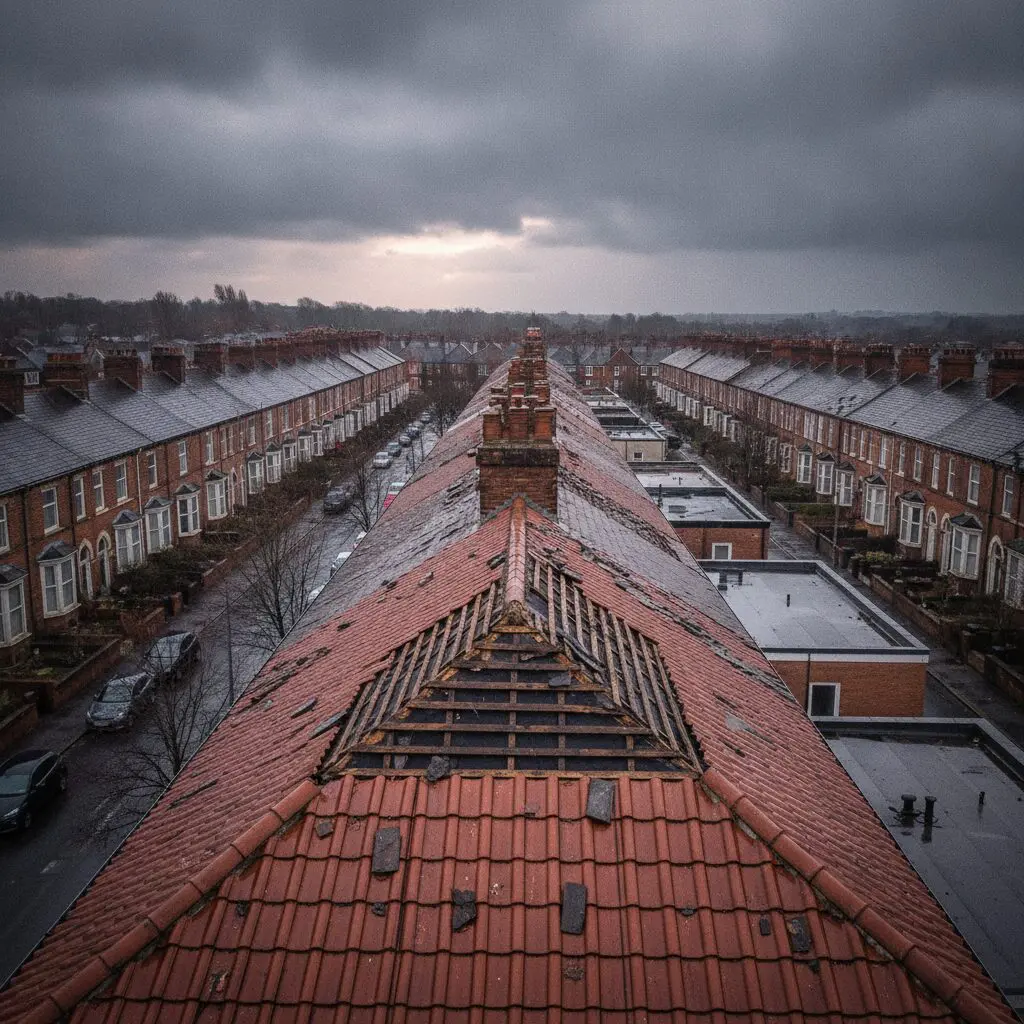
Before investing in roof insulation, it’s worth making sure your roof covering is in good condition. Insulating over a roof with cracked tiles, failed flashing, or damaged felt can trap moisture in the roof structure — causing timber rot and damp issues that are far more expensive to fix than the original insulation cost.
AJR Roofing can carry out a roof inspection before you proceed with any insulation work, giving you confidence that the roof structure is sound. For information on our roof repair services, visit the Roof Repairs page. If your roof is approaching the end of its lifespan, our New Pitched Roofs page covers replacement options.
Get a free quote
FAQs: Roof Insulation Sheffield
How much does loft insulation cost in Sheffield?
Cold loft insulation (mineral wool to 270mm) for a standard semi-detached property typically costs £300–£600. Warm loft insulation is more complex and costs considerably more — the exact figure depends on your loft size, access and the specification required. Contact us for an assessment.
Is loft insulation worth it in Sheffield?
Yes, for most homes. A well-insulated roof can significantly reduce heat loss and lower energy bills. The payback period for cold loft insulation is typically two to four years, after which the energy savings represent a net return on investment.
Will loft insulation cause condensation problems?
Not if it’s installed correctly with adequate ventilation. Problems occur when insulation is fitted without maintaining proper airflow above (cold loft) or between the insulation and roof covering (warm loft). Using an experienced installer is important.
Should I insulate my flat roof in Sheffield?
Flat roofs require a different approach — either a warm deck or cold deck system depending on the construction. If you have a flat roof and want to explore insulation options, contact AJR Roofing directly for specific advice on your roof type.
Do I need planning permission for loft insulation?
For standard cold loft insulation at floor level, planning permission is not required. Loft conversions and structural changes to the roof are a different matter — these typically require planning consent and building regulations approval.
What is the minimum loft insulation depth recommended in the UK?
Current guidance recommends 270mm for cold loft mineral wool insulation — 100mm between the joists and 170mm across the top. This meets or exceeds the minimum required under Part L of the Building Regulations.